
3 Steps to Master Negotiating the Price of Second-Hand Houses
3 Steps to Master Negotiating the Price of Second-Hand Houses
Negotiating the price of buying and selling second-hand houses is an important strategy when deciding to purchase a second-hand house. It is clear that sellers want to sell at the highest price possible, while buyers aim for the lowest price they can get.TerraBKK has compiled 3 steps for negotiating the price of second-hand houses, covering the basic information about the property, the buyer's advantageous position, and negotiation tactics that will help reach a mutually agreeable price for both parties. Here are the details:
Step 1: Do Your Homework on Second-Hand Houses
- Search for information about second-hand houses in your target area through online media. Group houses that are in the same neighborhood and conduct field surveys. This technique creates two opportunities: the chance to inspect the condition of the house and talk to the homeowners on your list, and the opportunity to find listings from locals that are not advertised online, giving you more options before deciding to buy a second-hand house.
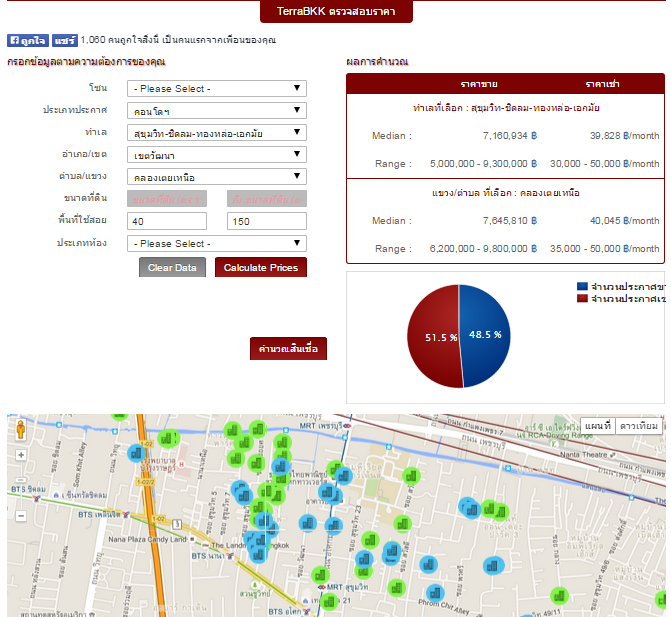
- Study the key details of the second-hand house that are interesting, such as transportation conditions, surrounding area, community density, and whether it is located in a flood-prone area or has soil subsidence issues. Also, consider details about the house itself, such as land size, age of the house, structural deterioration, land use, and renovations. This technique will enhance your knowledge of the property, which can be used as leverage in price negotiations.
- Define your ideal house. This technique helps reinforce the buyer's true goals, allowing them to overlook overpriced move-in-ready houses. Sometimes, choosing an older second-hand house that lacks decoration but has a solid structure can provide better negotiation leverage.
- Make a reservation deposit agreement if you find a second-hand house you like at a good price. This technique instills confidence in both parties equally, as verbal negotiations without documentation can lead to losses for the seller if the buyer changes their mind. Conversely, if the seller decides to sell to another interested party willing to pay more, the buyer may regret missing out.
Step 2: Create a Favorable Situation for the Buyer
- Buy a second-hand house in a familiar area, such as a neighborhood where you have previously rented. Knowing locals can create a friendly atmosphere, making it easier to talk to the homeowner and negotiate prices comfortably without excessive tension.
- Choose second-hand houses that are listed by the homeowners. Homeowners typically do not sell houses frequently, so they lack the selling experience of real estate agents. This gives buyers a better chance to negotiate prices.
- Select second-hand houses where the owner needs to sell urgently, such as needing a large sum of money or relocating abroad. This creates a favorable opportunity for buyers to negotiate prices. However, if the urgency seems suspicious, such as frequent flooding during rain or new road construction higher than the house, it is advisable not to purchase, even if the price is very low.
- Buy during an economic downturn. When people's financial situations are tight and their ability to buy houses is low, demand decreases, giving buyers more negotiating power over second-hand homeowners.
Step 3: Negotiation Tactics

- Use the house's shortcomings as evidence in price negotiations. Buyers will need to spend extra money on improvements, such as a swollen bathroom door, leaking roof, or cracked walls.
- Negotiate other benefits instead of agreeing to pay the full listed price to satisfy the seller, such as covering transfer fees or including furniture as a bonus.
- In the case of financing a house purchase, if the buyer decides on this house but cannot secure a loan for the seller's asking price, they might negotiate directly with the seller. If the seller is sympathetic, the chances of successful price negotiation increase.
- Negotiate to create immediate benefits for the seller by showing that the seller can gain immediate benefits if they agree to sell at the negotiated price, such as being willing to pay cash upon transfer.
Typically, sellers set prices with room for negotiation, and as homeowners, they have emotional attachments to their properties. Therefore, if buyers express genuine appreciation for the house, it can make negotiations easier, as homeowners prefer to sell to buyers who truly love their home. -- Terra BKK